
 SALM TEAM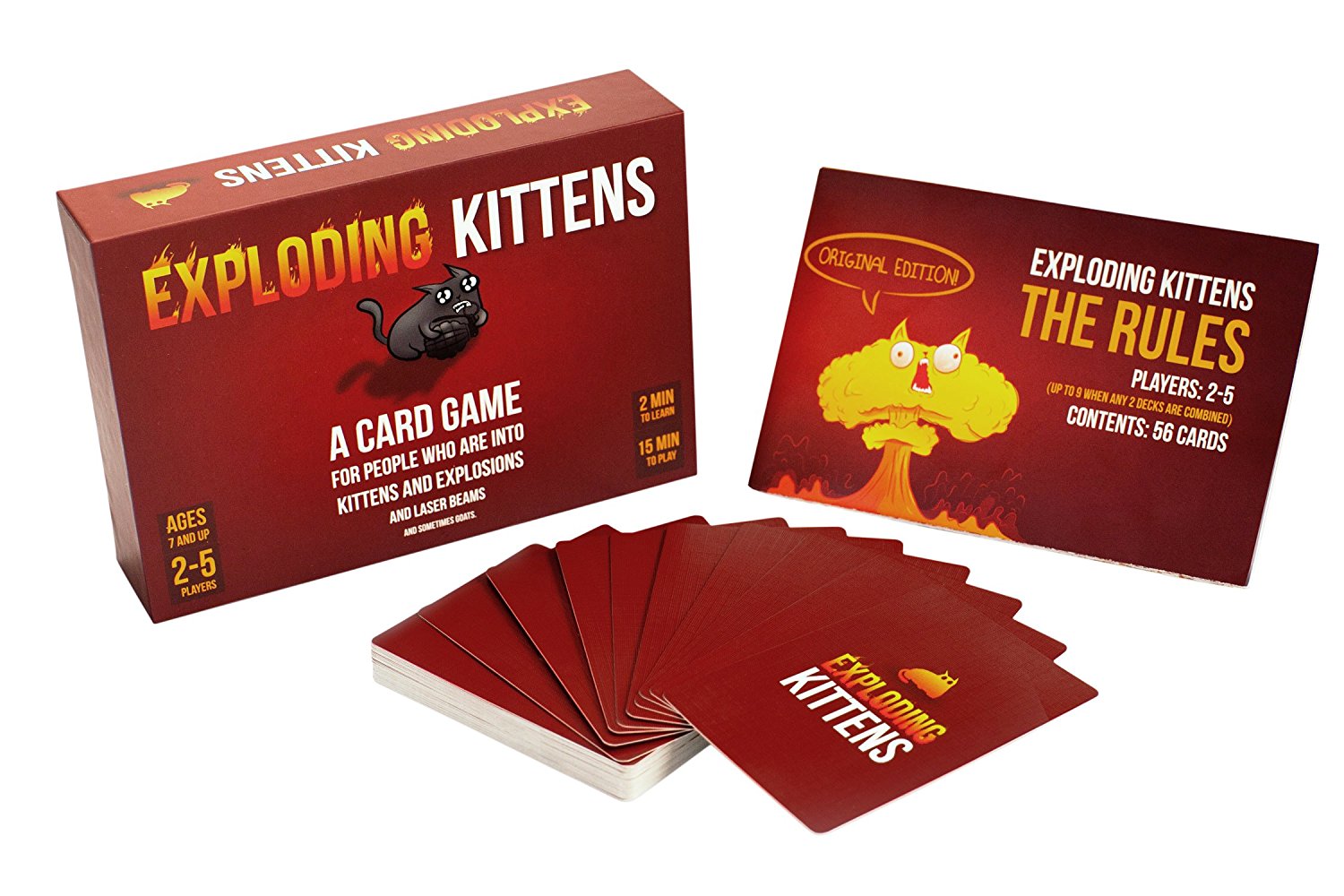
Philip Galliford, spokesperson for Solarpop and avid board game player has always known the benefits of the hobby. But now, a new study confirms that many of the aspects of spending time socialising over a game or two adds to a person’s wellbeing.

“Board games have been around for ages, and they never lose their charm or appeal. For me, a game is a great way of getting friends together, to laugh, be competitive, be rowdy and destress. Playing games like Catan, Flip 7, Spot It! or more quirky ones like Exploding Kittens and Unstable Unicorns, makes everyone feel good,” explains Galliford.
According to an article on the BBC website, researchers at the University of Plymouth are exploring the ways board games and tabletop role-playing games could be used in health and social care interventions. The researchers found that games such as Dungeons and Dragons and Dixit could lead to improvements in confidence, assertiveness, and real-life social engagement, especially in neurodivergent individuals.
The study has been led by Dr Gray Atherton and Dr Liam Cross, lecturers in the University of Plymouth’s School of Psychology, and funded through the international Game in Lab programme. According to Atherton, the research shows that board games can enhance wellbeing, foster inclusion, and support learning. The reasons are numerous, but fundamentally, games make social interactions more predictable, and allow people to experiment with things like conflict resolution.
Board games are designed so that they are stimulating and just challenging enough to be fun and not impossibly difficult. The result is that there are benefits beyond mental health – games foster mathematical reasoning, strategic planning, and problem-solving, while vivid narrative settings bring history and storytelling to life.
“We’re excited about the study because it further confirms the benefits that game playing brings,” concludes Galliford.
For more info on the latest games follow: @solarpopsouthafrica